I’m here to help you with a step back in time to where it all began for McDonald’s, a brand that needs no introduction today and the absolute success story for an insight into the world of franchising. The Origin Story Of Mcdonalds starts with two brothers, Richard and Maurice McDonald, who were just trying to make a living during the Great Depression. They moved from New Hampshire to California to find opportunities and opened up a movie theater, but soon found their calling in the food service industry.
In 1940, the McDonald brothers launched their first restaurant in San Bernardino, California – a simple BBQ joint, but they soon noticed a pattern. The majority of their sales were coming from hamburgers. So, what did they do? They streamlined their menu to focus on just a few items: burgers, fries, and beverages, ensuring they could serve the highest quality at the lowest prices. This wasn’t just a business decision; it was the seed that grew into the fast-food culture we know today.
1948 marked a transformative year for the McDonald brothers with the introduction of the ‘Speedee Service System.’ This wasn’t just about serving food quickly. It was a revolutionary way of running a restaurant that included assembly line techniques, something unheard of in the restaurant business at the time. Efficiency became the name of the game, hugely influencing the entire service industry.
There’s a lot of opportunity in simplicity, and McDonald’s proved that. The story of the McDonald brothers is not just a lesson in business but in innovation and determination. They created a model that countless other businesses would follow, setting a precedent for the fast-food industry that is still built upon today. It’s a true testament to what a clear vision and relentless focus can achieve.
In my opinion, everyone loves a good origin story and McDonald’s has one of the best. Yet, it doesn’t end with just the McDonald brothers’ success. A certain someone saw even greater potential, and that’s where Ray Kroc enters our story. The real game changer was how he took a highly successful regional restaurant and turned it into an international household name, but that’s a story for the next section.
Ray Kroc’s Visionary Pivot – Origin Story Of Mcdonalds
I’m going to walk you through how a milkshake mixer salesman turned a local eatery into a household name. Ray Kroc, intrigued by a large order of eight mixers from a single restaurant, decided to visit McDonald’s in 1954. What he found wasn’t just a bustling burger joint but an opportunity ripe for expansion.
That’s going to include examining the crucial move that changed everything: franchising. Kroc’s big idea was to replicate the McDonald brothers’ successful formula on a national scale. His approach was straightforward but revolutionary: offer the same level of quality and efficiency across all locations.
You’re going to find out about the relationship dynamic between Kroc and the McDonald brothers. It started as a symbiotic partnership but eventually led to a buyout, as Kroc’s ambition soared while the brothers were content with their operation. This marked the pivotal shift from a regional chain to an international titan.
Choose something that resonates with you: a small-scale success or transforming that success into a global empire. For Kroc, it was the latter. His unwavering belief in McDonald’s potential propelled the brand to unprecedented heights, embedding the ‘golden arches’ in countless communities around the world.
Perfecting the Fast-Food Model: McDonald’s Corp Evolution
Transitioning from a single restaurant concept to a standardized global brand required a revolution within the McDonald’s business. This evolution journey wasn’t just about opening new locations; it involved a strategic blueprint that optimized every aspect of the dining experience. I’m going to unpack that a bit for you.
The significance of consistency cannot be overstated. As McDonald’s began multiplying across the map, maintaining a uniform quality and experience was paramount. The brothers’ ‘Speedee Service System’ was just the starting point. Ray Kroc envisioned a system where you could walk into a McDonald’s in California or New York and get the exact same tasty burger. Pitch-perfect replication of restaurant operations became the McDonald’s way.
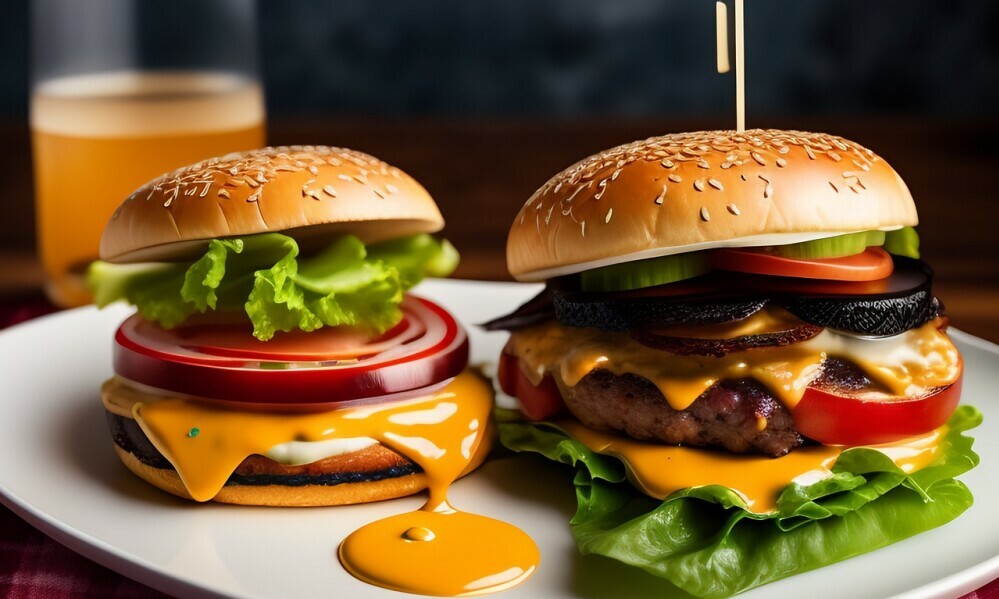
Of course, this growth phase also saw the birth of menu items that would become synonymous with the brand. The Filet-O-Fish, Big Mac, and Happy Meal weren’t just products; they represented an understanding of market trends and consumer desires. Kroc and his team fine-tuned the offerings to ensure there was something for everyone.
It’s no exaggeration to say that McDonald’s molded the archetype of the modern fast-food environment. I’m talking about clean, family-friendly spaces that just as easily hosted children’s birthday parties as they accommodated hurried commuters grabbing a quick bite. And let’s not forget the creation of the brand’s mascot, Ronald McDonald, who became as iconic as the golden arches themselves.
Innovation didn’t stop with products and ambiance. McDonald’s became a leader in adopting industry-altering practices like drive-thru service, which became critical during the recent pandemic. From fast service and economical pricing to play areas for kids, every aspect was meticulously engineered to enhance convenience and appeal.
You’re going to find out about the drive-thru’s increasing relevance and how such innovations keep the golden arches shining in the next section, where we explore how McDonald’s sustains its worldwide legacy. Spoiler alert: It involves a lot of agility and attention to what you, the customer, wants and needs.
Sustaining a Worldwide Legacy – Origin Story Of Mcdonalds
As you zoom out on the vast landscape of the fast-food industry, you’re going to find out about McDonald’s sustained influence and its continuous adaptation to a changing world. This isn’t just a testament to the company’s past but also a blueprint for maintaining relevance in the global market.
In recent years, McDonald’s has acknowledged and responded to the growing demand for healthier options and dietary diversity. They’ve introduced a range of salads, fruit options, and even plant-based burger trials in certain markets. It’s their way of saying, ‘We’re here to help you with a balanced diet,’ while still offering those classic indulgent items.
McDonald’s also understands the importance of ethical practices and sustainability. They’ve committed to reducing greenhouse gas emissions and have begun investing in sustainable packaging solutions and recycling programs. Choose something that resonates with you; whether it’s a Big Mac or a commitment to the environment, McDonald’s seems to have an option.
A foray into the cultural impact reveals McDonald’s as a staple in movies, TV, and books, symbolizing the quintessential American fast-food experience. It’s even been the subject of documentaries and discussions around dietary habits.
The future outlook for McDonald’s appears cautiously optimistic. With technological advancements like self-service kiosks, mobile order and pay, and delivery partnerships, they’re embracing innovation. There’s a lot of opportunity in harnessing tech to improve customer service and convenience.
I really hope that this journey through McDonald’s storied past to its present ambitions has offered a glimpse into what it takes to stay atop the fast-food hierarchy. This isn’t just about selling burgers; it’s about evolving with the times and meeting the desires of billions. And that’s precisely what McDonald’s aims to keep doing.